Buy primae.eu ?
We are moving the project
primae.eu .
Are you interested in purchasing the domain
primae.eu ?
domain@kv-gmbh.de · 0541-91531010
Buy primae.eu ?
What is the appeasement policy?
The appeasement policy was a diplomatic strategy employed by European powers, particularly Britain and France, in the 1930s in response to the aggressive expansionist actions of Nazi Germany. The policy aimed to avoid conflict and maintain peace by giving in to some of Germany's demands in the hopes of preventing further aggression. This approach was based on the belief that by satisfying some of Germany's territorial and political ambitions, it would reduce the likelihood of war. However, the policy ultimately failed as it only emboldened Germany, leading to the outbreak of World War II. **
Are there alternatives to appeasement policy?
Yes, there are alternatives to appeasement policy. One alternative is a policy of deterrence, where a country builds up its military strength to deter aggression from other nations. Another alternative is a policy of containment, where a country works to contain the influence of a hostile nation without directly confronting it. Additionally, diplomacy and negotiation can be used as alternatives to appeasement, where countries engage in dialogue and seek peaceful resolutions to conflicts. **

Similar search terms for Appeasement
Top-Angebote
Products related to Appeasement:
-
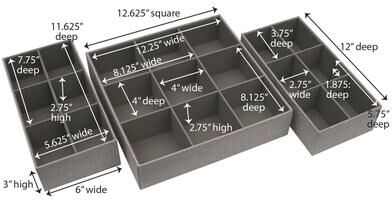
Household Essentials 2-Pack of Drawer OrganizersThe Drawer Organizer Tray (2-Piece Set) is a sleek and functional way to keep small items organized in tight spaces. Featuring a sturdy hard‑sided frame wrapped in soft polyester fabric, this tray combines durability with modern style.30,09 $*Shipping: 0,00 $Secure redirect to the provider
-
Inspire Daily Merch Magnetic Wooden Bottle Opener Easy to Use Beer & Cocktail Lid Remover For Bar Tools And Gadgets 1pcUnlock effortless bottle opening with this magnetic bottle opener. Crafted from solid wood, it combines a sleek, round design with powerful suction to help you open beer and cocktail bottles easily. Whether you're hosting a party or just unwinding...32,97 $*Shipping: 0,00 $Secure redirect to the provider
-
Modern Harvest Tools & Trends SHIMOYAMA Teak Wood Tableware Spatulas: Triangular Cooking Spatula For Kitchen Gadgets & Portable Outdoor Camping Utensi 2SHIMOYAMA Teak Wood Tableware Spatulas Kitchen Gadgets Triangular Cooking Spatula Portable Outdoor Camping Utensils Scraper Use teak wood with excellent durability and oil resistance, Suitable for heating and cooking Chinese cuisineTwo sizes to...20,00 $*Shipping: 0,00 $Secure redirect to the provider



-
What was the British appeasement policy?
The British appeasement policy was a strategy employed by the British government in the 1930s to avoid conflict with Nazi Germany. It involved giving in to some of Hitler's demands in the hopes of preventing another world war. The policy was criticized for being too lenient and ultimately failed to prevent the outbreak of World War II. **
-
Is the policy of appeasement sensible?
The policy of appeasement can be sensible in certain situations, such as when a country is trying to avoid unnecessary conflict and maintain peace. However, it can also be seen as enabling aggressive behavior and failing to address underlying issues. Ultimately, the effectiveness of appeasement depends on the specific context and the willingness of the aggressor to engage in peaceful negotiations. It is important to carefully consider the potential consequences and long-term implications of appeasement before implementing such a policy. **
-
What does the appeasement policy mean?
The appeasement policy refers to the strategy of giving in to the demands of a hostile power in order to avoid conflict. This approach is based on the belief that by accommodating the aggressor's demands, tensions can be reduced and peace can be maintained. The term is often associated with the policy of appeasement pursued by European powers towards Nazi Germany in the 1930s, which ultimately failed to prevent the outbreak of World War II. **
-
What is the policy of appeasement?
Appeasement is a diplomatic strategy where one country gives in to the demands of another in order to avoid conflict or maintain peace. This policy is often criticized for being short-sighted and ultimately failing to prevent aggression from the country whose demands are being appeased. One of the most well-known examples of appeasement is the policy pursued by European powers towards Nazi Germany in the years leading up to World War II, where concessions were made to Hitler in an attempt to avoid war. **

What was the appeasement policy during Hitler's time?
The appeasement policy was a diplomatic strategy employed by European powers, particularly Britain and France, in the 1930s in response to Adolf Hitler's aggressive expansionist policies. The policy involved giving in to some of Hitler's demands in the hopes of avoiding war and maintaining peace. However, this approach ultimately failed as Hitler continued to push for more territorial gains, leading to the outbreak of World War II. The appeasement policy is now widely criticized for emboldening Hitler and allowing him to strengthen his military capabilities unchecked. **
What is the history of appeasement policy? Thank you.
The appeasement policy was a strategy employed by European powers in the 1930s, particularly by Britain and France, in response to the aggressive actions of Nazi Germany. The policy aimed to avoid conflict and maintain peace by giving in to some of Germany's demands, such as the annexation of Czechoslovakia's Sudetenland. The policy was based on the belief that by appeasing Hitler, further aggression could be prevented. However, this approach ultimately failed as it only emboldened Hitler and led to the outbreak of World War II. The policy of appeasement is now widely criticized for its role in allowing Nazi Germany to expand its power and influence. **
Top-Angebote
Products related to Appeasement:
-
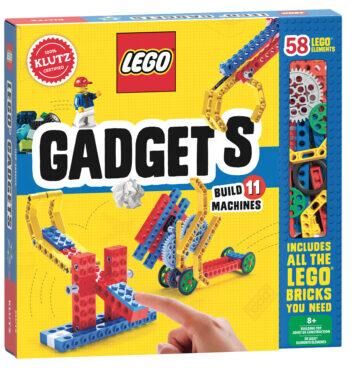
Klutz: LEGO GadgetsThis activity kit will have you building 11 machines including a gravity powered car and a wacky boxing robot. The fun doesn't stop once you've completed all of the projects in the book - open-ended prompts will inspire you to continue experimenting...24,99 $*Shipping: 0,00 $Secure redirect to the provider
-
Household Essentials 2-Pack of Drawer OrganizersThe Drawer Organizer Tray (2-Piece Set) is a sleek and functional way to keep small items organized in tight spaces. Featuring a sturdy hard‑sided frame wrapped in soft polyester fabric, this tray combines durability with modern style.30,09 $*Shipping: 0,00 $Secure redirect to the provider
-
What is the appeasement policy?
The appeasement policy was a diplomatic strategy employed by European powers, particularly Britain and France, in the 1930s in response to the aggressive expansionist actions of Nazi Germany. The policy aimed to avoid conflict and maintain peace by giving in to some of Germany's demands in the hopes of preventing further aggression. This approach was based on the belief that by satisfying some of Germany's territorial and political ambitions, it would reduce the likelihood of war. However, the policy ultimately failed as it only emboldened Germany, leading to the outbreak of World War II. **
-
Are there alternatives to appeasement policy?
Yes, there are alternatives to appeasement policy. One alternative is a policy of deterrence, where a country builds up its military strength to deter aggression from other nations. Another alternative is a policy of containment, where a country works to contain the influence of a hostile nation without directly confronting it. Additionally, diplomacy and negotiation can be used as alternatives to appeasement, where countries engage in dialogue and seek peaceful resolutions to conflicts. **
-
What was the British appeasement policy?
The British appeasement policy was a strategy employed by the British government in the 1930s to avoid conflict with Nazi Germany. It involved giving in to some of Hitler's demands in the hopes of preventing another world war. The policy was criticized for being too lenient and ultimately failed to prevent the outbreak of World War II. **
-
Is the policy of appeasement sensible?
The policy of appeasement can be sensible in certain situations, such as when a country is trying to avoid unnecessary conflict and maintain peace. However, it can also be seen as enabling aggressive behavior and failing to address underlying issues. Ultimately, the effectiveness of appeasement depends on the specific context and the willingness of the aggressor to engage in peaceful negotiations. It is important to carefully consider the potential consequences and long-term implications of appeasement before implementing such a policy. **
Similar search terms for Appeasement
-
Inspire Daily Merch Magnetic Wooden Bottle Opener Easy to Use Beer & Cocktail Lid Remover For Bar Tools And Gadgets 1pcUnlock effortless bottle opening with this magnetic bottle opener. Crafted from solid wood, it combines a sleek, round design with powerful suction to help you open beer and cocktail bottles easily. Whether you're hosting a party or just unwinding...32,97 $*Shipping: 0,00 $Secure redirect to the provider
-
Modern Harvest Tools & Trends SHIMOYAMA Teak Wood Tableware Spatulas: Triangular Cooking Spatula For Kitchen Gadgets & Portable Outdoor Camping Utensi 2SHIMOYAMA Teak Wood Tableware Spatulas Kitchen Gadgets Triangular Cooking Spatula Portable Outdoor Camping Utensils Scraper Use teak wood with excellent durability and oil resistance, Suitable for heating and cooking Chinese cuisineTwo sizes to...20,00 $*Shipping: 0,00 $Secure redirect to the provider
-
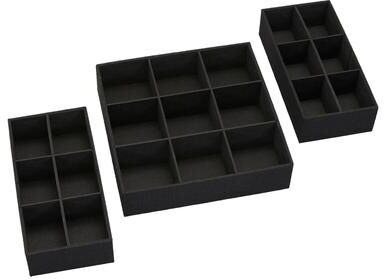
Household Essentials 2-Pack of Drawer OrganizersThe Drawer Organizer Tray (2-Piece Set) is a sleek and functional way to keep small items organized in tight spaces. Featuring a sturdy hard‑sided frame wrapped in soft polyester fabric, this tray combines durability with modern style.28,99 $*Shipping: 0,00 $Secure redirect to the provider
-
What does the appeasement policy mean?
The appeasement policy refers to the strategy of giving in to the demands of a hostile power in order to avoid conflict. This approach is based on the belief that by accommodating the aggressor's demands, tensions can be reduced and peace can be maintained. The term is often associated with the policy of appeasement pursued by European powers towards Nazi Germany in the 1930s, which ultimately failed to prevent the outbreak of World War II. **
-
What is the policy of appeasement?
Appeasement is a diplomatic strategy where one country gives in to the demands of another in order to avoid conflict or maintain peace. This policy is often criticized for being short-sighted and ultimately failing to prevent aggression from the country whose demands are being appeased. One of the most well-known examples of appeasement is the policy pursued by European powers towards Nazi Germany in the years leading up to World War II, where concessions were made to Hitler in an attempt to avoid war. **
-
What was the appeasement policy during Hitler's time?
The appeasement policy was a diplomatic strategy employed by European powers, particularly Britain and France, in the 1930s in response to Adolf Hitler's aggressive expansionist policies. The policy involved giving in to some of Hitler's demands in the hopes of avoiding war and maintaining peace. However, this approach ultimately failed as Hitler continued to push for more territorial gains, leading to the outbreak of World War II. The appeasement policy is now widely criticized for emboldening Hitler and allowing him to strengthen his military capabilities unchecked. **
-
What is the history of appeasement policy? Thank you.
The appeasement policy was a strategy employed by European powers in the 1930s, particularly by Britain and France, in response to the aggressive actions of Nazi Germany. The policy aimed to avoid conflict and maintain peace by giving in to some of Germany's demands, such as the annexation of Czechoslovakia's Sudetenland. The policy was based on the belief that by appeasing Hitler, further aggression could be prevented. However, this approach ultimately failed as it only emboldened Hitler and led to the outbreak of World War II. The policy of appeasement is now widely criticized for its role in allowing Nazi Germany to expand its power and influence. **
* All prices are inclusive of VAT and, if applicable, plus shipping costs. The offer information is based on the details provided by the respective shop and is updated through automated processes. Real-time updates do not occur, so deviations can occur in individual cases. ** Note: Parts of this content were created by AI.