Buy primae.eu ?
We are moving the project
primae.eu .
Are you interested in purchasing the domain
primae.eu ?
domain@kv-gmbh.de · 0541-91531010
Buy primae.eu ?
Is the capitalization correct?
Yes, the capitalization is correct. **
Capitalization in these cases?
In these cases, capitalization is not necessary. The words "in," "these," and "cases" are all considered common nouns and do not require capitalization unless they are at the beginning of a sentence. Only proper nouns, such as names of specific people, places, or things, should be capitalized. **
Similar search terms for Capitalization
Top-Angebote
Products related to Capitalization:
-
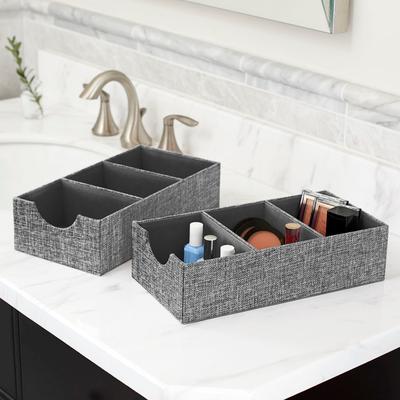
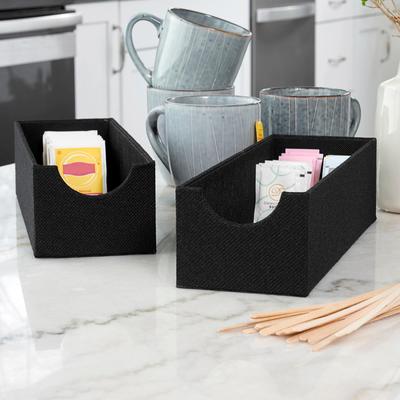
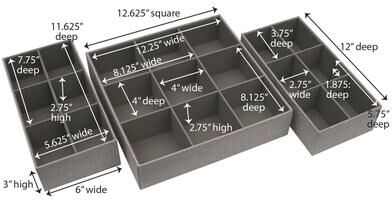
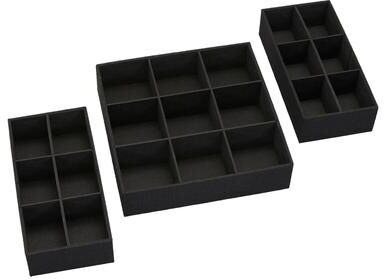
Household Essentials 2-Pack of Drawer OrganizersThe Drawer Organizer Tray (2-Piece Set) is a sleek and functional way to keep small items organized in tight spaces. Featuring a sturdy hard‑sided frame wrapped in soft polyester fabric, this tray combines durability with modern style.28,99 $*Shipping: 0,00 $Secure redirect to the provider
-
Modern Harvest Tools & Trends SHIMOYAMA Teak Wood Tableware Spatulas: Triangular Cooking Spatula For Kitchen Gadgets & Portable Outdoor Camping Utensi 1SHIMOYAMA Teak Wood Tableware Spatulas Kitchen Gadgets Triangular Cooking Spatula Portable Outdoor Camping Utensils Scraper Use teak wood with excellent durability and oil resistance, Suitable for heating and cooking Chinese cuisineTwo sizes to...20,00 $*Shipping: 0,00 $Secure redirect to the provider
-
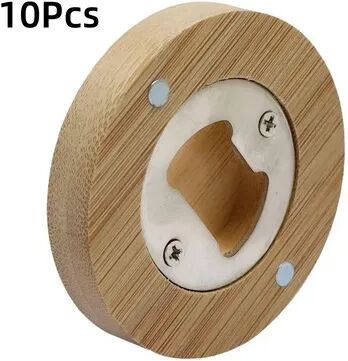
Inspire Daily Merch Magnetic Wooden Bottle Opener Easy to Use Beer & Cocktail Lid Remover For Bar Tools And Gadgets 10pcsUnlock effortless bottle opening with this magnetic bottle opener. Crafted from solid wood, it combines a sleek, round design with powerful suction to help you open beer and cocktail bottles easily. Whether you're hosting a party or just unwinding...59,97 $*Shipping: 0,00 $Secure redirect to the provider

-
How does capitalization work?
Capitalization refers to the use of uppercase letters at the beginning of a word. In English, proper nouns such as names of people, places, and organizations are capitalized. The first word in a sentence is also capitalized, as well as the pronoun "I." Titles of books, movies, and songs are typically capitalized. It is important to pay attention to capitalization rules to ensure clear and correct writing. **
-
Is the capitalization good?
Yes, the capitalization is good. The sentences begin with capital letters and proper nouns are capitalized as well. Overall, the writing follows standard capitalization rules and is clear and easy to read. **
-
Does Japanese have capitalization?
No, Japanese does not have capitalization in the same way that English does. In Japanese writing, there is no distinction between uppercase and lowercase letters. Instead, the language relies on other methods, such as kanji characters and context, to convey meaning and emphasis. Therefore, capitalization is not a feature of the Japanese writing system. **
-
Should capitalization be abolished?
Capitalization serves an important purpose in written language by indicating the beginning of a sentence, proper nouns, and titles. It helps to clarify and organize written text, making it easier to read and understand. Abolishing capitalization would likely lead to confusion and make written communication less clear. Therefore, capitalization should not be abolished as it plays a crucial role in written language. **

Which suffix determines capitalization?
The suffix that determines capitalization is the proper noun suffix. Proper nouns are specific names of people, places, or things, and they are always capitalized. When a common noun is changed into a proper noun by adding a suffix, the capitalization is determined by the suffix. For example, the common noun "river" becomes the proper noun "Mississippi River" when the proper noun suffix "River" is added, and "River" is capitalized. **
Small question about capitalization
When it comes to capitalization, it's important to remember that proper nouns, such as names of specific people, places, and things, should always be capitalized. Additionally, the first word of a sentence and the pronoun "I" should also be capitalized. However, common nouns and most adjectives should not be capitalized unless they are part of a title or are being used in a specific, formal context. It's always a good idea to double-check the rules of capitalization to ensure that your writing is clear and correct. **
Top-Angebote
Products related to Capitalization:
-
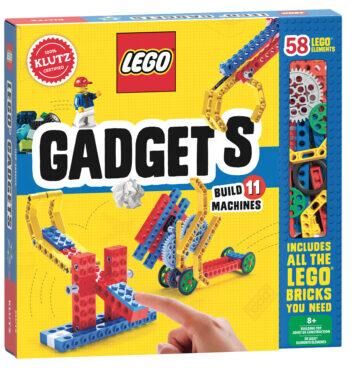
Klutz: LEGO GadgetsThis activity kit will have you building 11 machines including a gravity powered car and a wacky boxing robot. The fun doesn't stop once you've completed all of the projects in the book - open-ended prompts will inspire you to continue experimenting...24,99 $*Shipping: 0,00 $Secure redirect to the provider
-
Household Essentials 2-Pack of Drawer OrganizersThe Drawer Organizer Tray (2-Piece Set) is a sleek and functional way to keep small items organized in tight spaces. Featuring a sturdy hard‑sided frame wrapped in soft polyester fabric, this tray combines durability with modern style.28,99 $*Shipping: 0,00 $Secure redirect to the provider
-
Is the capitalization correct?
Yes, the capitalization is correct. **
-
Capitalization in these cases?
In these cases, capitalization is not necessary. The words "in," "these," and "cases" are all considered common nouns and do not require capitalization unless they are at the beginning of a sentence. Only proper nouns, such as names of specific people, places, or things, should be capitalized. **
-
How does capitalization work?
Capitalization refers to the use of uppercase letters at the beginning of a word. In English, proper nouns such as names of people, places, and organizations are capitalized. The first word in a sentence is also capitalized, as well as the pronoun "I." Titles of books, movies, and songs are typically capitalized. It is important to pay attention to capitalization rules to ensure clear and correct writing. **
-
Is the capitalization good?
Yes, the capitalization is good. The sentences begin with capital letters and proper nouns are capitalized as well. Overall, the writing follows standard capitalization rules and is clear and easy to read. **
Similar search terms for Capitalization
-
Modern Harvest Tools & Trends SHIMOYAMA Teak Wood Tableware Spatulas: Triangular Cooking Spatula For Kitchen Gadgets & Portable Outdoor Camping Utensi 1SHIMOYAMA Teak Wood Tableware Spatulas Kitchen Gadgets Triangular Cooking Spatula Portable Outdoor Camping Utensils Scraper Use teak wood with excellent durability and oil resistance, Suitable for heating and cooking Chinese cuisineTwo sizes to...20,00 $*Shipping: 0,00 $Secure redirect to the provider
-
Inspire Daily Merch Magnetic Wooden Bottle Opener Easy to Use Beer & Cocktail Lid Remover For Bar Tools And Gadgets 10pcsUnlock effortless bottle opening with this magnetic bottle opener. Crafted from solid wood, it combines a sleek, round design with powerful suction to help you open beer and cocktail bottles easily. Whether you're hosting a party or just unwinding...59,97 $*Shipping: 0,00 $Secure redirect to the provider
-
Household Essentials 2-Pack of Drawer OrganizersThe Drawer Organizer Tray (2-Piece Set) is a sleek and functional way to keep small items organized in tight spaces. Featuring a sturdy hard‑sided frame wrapped in soft polyester fabric, this tray combines durability with modern style.30,09 $*Shipping: 0,00 $Secure redirect to the provider
-
Does Japanese have capitalization?
No, Japanese does not have capitalization in the same way that English does. In Japanese writing, there is no distinction between uppercase and lowercase letters. Instead, the language relies on other methods, such as kanji characters and context, to convey meaning and emphasis. Therefore, capitalization is not a feature of the Japanese writing system. **
-
Should capitalization be abolished?
Capitalization serves an important purpose in written language by indicating the beginning of a sentence, proper nouns, and titles. It helps to clarify and organize written text, making it easier to read and understand. Abolishing capitalization would likely lead to confusion and make written communication less clear. Therefore, capitalization should not be abolished as it plays a crucial role in written language. **
-
Which suffix determines capitalization?
The suffix that determines capitalization is the proper noun suffix. Proper nouns are specific names of people, places, or things, and they are always capitalized. When a common noun is changed into a proper noun by adding a suffix, the capitalization is determined by the suffix. For example, the common noun "river" becomes the proper noun "Mississippi River" when the proper noun suffix "River" is added, and "River" is capitalized. **
-
Small question about capitalization
When it comes to capitalization, it's important to remember that proper nouns, such as names of specific people, places, and things, should always be capitalized. Additionally, the first word of a sentence and the pronoun "I" should also be capitalized. However, common nouns and most adjectives should not be capitalized unless they are part of a title or are being used in a specific, formal context. It's always a good idea to double-check the rules of capitalization to ensure that your writing is clear and correct. **
* All prices are inclusive of VAT and, if applicable, plus shipping costs. The offer information is based on the details provided by the respective shop and is updated through automated processes. Real-time updates do not occur, so deviations can occur in individual cases. ** Note: Parts of this content were created by AI.