Buy primae.eu ?
We are moving the project
primae.eu .
Are you interested in purchasing the domain
primae.eu ?
domain@kv-gmbh.de · 0541-91531010
Buy primae.eu ?
How long does a bacterium live?
The lifespan of a bacterium can vary greatly depending on the species and environmental conditions. Some bacteria can live for just a few hours, while others can survive for hundreds of years. On average, bacteria typically have a lifespan ranging from a few hours to several days. However, under ideal conditions, some bacteria have the potential to live indefinitely through continuous reproduction. **
Does a bacterium have a nucleus?
No, a bacterium does not have a nucleus. Bacteria are prokaryotic organisms, meaning they lack a membrane-bound nucleus. Instead, their genetic material is found in a single circular chromosome located in the nucleoid region of the cell. This genetic material is not enclosed within a nuclear membrane like in eukaryotic cells. **


Similar search terms for Bacterium
Top-Angebote
Products related to Bacterium:
-
Household Essentials 2-Pack of Drawer OrganizersThe Drawer Organizer Tray (2-Piece Set) is a sleek and functional way to keep small items organized in tight spaces. Featuring a sturdy hard‑sided frame wrapped in soft polyester fabric, this tray combines durability with modern style.28,99 $*Shipping: 0,00 $Secure redirect to the provider
-
Modern Harvest Tools & Trends SHIMOYAMA Teak Wood Tableware Spatulas: Triangular Cooking Spatula For Kitchen Gadgets & Portable Outdoor Camping Utensi 2SHIMOYAMA Teak Wood Tableware Spatulas Kitchen Gadgets Triangular Cooking Spatula Portable Outdoor Camping Utensils Scraper Use teak wood with excellent durability and oil resistance, Suitable for heating and cooking Chinese cuisineTwo sizes to...20,00 $*Shipping: 0,00 $Secure redirect to the provider
-
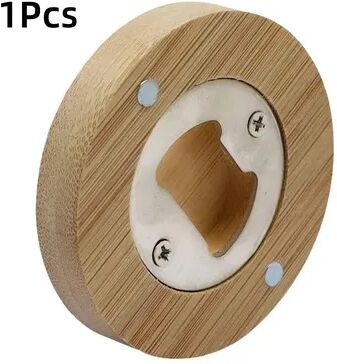
Inspire Daily Merch Magnetic Wooden Bottle Opener Easy to Use Beer & Cocktail Lid Remover For Bar Tools And Gadgets 1pcUnlock effortless bottle opening with this magnetic bottle opener. Crafted from solid wood, it combines a sleek, round design with powerful suction to help you open beer and cocktail bottles easily. Whether you're hosting a party or just unwinding...32,97 $*Shipping: 0,00 $Secure redirect to the provider



-
How much does a bacterium weigh?
The weight of a bacterium can vary depending on the species and size of the bacterium. On average, a single bacterium can weigh anywhere from 0.3 to 2.5 femtograms (a femtogram is one quadrillionth of a gram). This means that a bacterium is extremely small and lightweight, making it difficult to measure using traditional scales. However, when considering the vast number of bacteria in a typical environment, their collective weight can be significant. **
-
At what hour was there a bacterium?
There was a bacterium at every hour of the day, as bacteria are constantly present in our environment. Bacteria are microscopic organisms that can be found in various places such as soil, water, and even on our skin. Their presence is not limited to a specific time of day, as they are always around us. **
-
What is the name of this bacterium?
This bacterium is called Escherichia coli, commonly known as E. coli. It is a type of bacteria that is commonly found in the intestines of humans and animals. E. coli can have both harmful and beneficial effects, depending on the strain and the circumstances in which it is found. **
-
How do you calculate the offspring number of a bacterium?
To calculate the offspring number of a bacterium, you need to know the generation time of the bacterium, which is the time it takes for one bacterium to divide into two. You then divide the total time available for growth by the generation time to determine how many generations can occur. Finally, you raise 2 to the power of the number of generations to calculate the total number of offspring produced by the bacterium. This formula is represented as: Offspring number = 2^(time available for growth / generation time). **


How do you calculate the offspring number of a bacterium 2?
To calculate the offspring number of a bacterium 2, you would need to know the generation time of the bacterium, which is the time it takes for one bacterium to divide into two. You would then divide the total time available for reproduction by the generation time to determine how many divisions can occur. Each division represents the creation of two offspring, so multiplying the number of divisions by 2 will give you the offspring number of bacterium 2. **
How is a transgenic bacterium produced for the production of insulin?
A transgenic bacterium is produced for the production of insulin by inserting the human insulin gene into the bacterium's DNA. This is typically done using a plasmid, a small circular piece of DNA that can be easily manipulated. The plasmid containing the human insulin gene is then introduced into the bacterium, where it integrates into the bacterium's genome. The bacterium is then able to produce human insulin, which can be harvested and used for medical purposes. This process allows for the large-scale production of insulin in a cost-effective manner. **
Top-Angebote
Products related to Bacterium:
-
Klutz: LEGO GadgetsThis activity kit will have you building 11 machines including a gravity powered car and a wacky boxing robot. The fun doesn't stop once you've completed all of the projects in the book - open-ended prompts will inspire you to continue experimenting...24,99 $*Shipping: 0,00 $Secure redirect to the provider
-
Household Essentials 2-Pack of Drawer OrganizersThe Drawer Organizer Tray (2-Piece Set) is a sleek and functional way to keep small items organized in tight spaces. Featuring a sturdy hard‑sided frame wrapped in soft polyester fabric, this tray combines durability with modern style.28,99 $*Shipping: 0,00 $Secure redirect to the provider
-
How long does a bacterium live?
The lifespan of a bacterium can vary greatly depending on the species and environmental conditions. Some bacteria can live for just a few hours, while others can survive for hundreds of years. On average, bacteria typically have a lifespan ranging from a few hours to several days. However, under ideal conditions, some bacteria have the potential to live indefinitely through continuous reproduction. **
-
Does a bacterium have a nucleus?
No, a bacterium does not have a nucleus. Bacteria are prokaryotic organisms, meaning they lack a membrane-bound nucleus. Instead, their genetic material is found in a single circular chromosome located in the nucleoid region of the cell. This genetic material is not enclosed within a nuclear membrane like in eukaryotic cells. **
-
How much does a bacterium weigh?
The weight of a bacterium can vary depending on the species and size of the bacterium. On average, a single bacterium can weigh anywhere from 0.3 to 2.5 femtograms (a femtogram is one quadrillionth of a gram). This means that a bacterium is extremely small and lightweight, making it difficult to measure using traditional scales. However, when considering the vast number of bacteria in a typical environment, their collective weight can be significant. **
-
At what hour was there a bacterium?
There was a bacterium at every hour of the day, as bacteria are constantly present in our environment. Bacteria are microscopic organisms that can be found in various places such as soil, water, and even on our skin. Their presence is not limited to a specific time of day, as they are always around us. **
Similar search terms for Bacterium
-
Modern Harvest Tools & Trends SHIMOYAMA Teak Wood Tableware Spatulas: Triangular Cooking Spatula For Kitchen Gadgets & Portable Outdoor Camping Utensi 2SHIMOYAMA Teak Wood Tableware Spatulas Kitchen Gadgets Triangular Cooking Spatula Portable Outdoor Camping Utensils Scraper Use teak wood with excellent durability and oil resistance, Suitable for heating and cooking Chinese cuisineTwo sizes to...20,00 $*Shipping: 0,00 $Secure redirect to the provider
-
Inspire Daily Merch Magnetic Wooden Bottle Opener Easy to Use Beer & Cocktail Lid Remover For Bar Tools And Gadgets 1pcUnlock effortless bottle opening with this magnetic bottle opener. Crafted from solid wood, it combines a sleek, round design with powerful suction to help you open beer and cocktail bottles easily. Whether you're hosting a party or just unwinding...32,97 $*Shipping: 0,00 $Secure redirect to the provider
-
Household Essentials 2-Pack of Drawer OrganizersThe Drawer Organizer Tray (2-Piece Set) is a sleek and functional way to keep small items organized in tight spaces. Featuring a sturdy hard‑sided frame wrapped in soft polyester fabric, this tray combines durability with modern style.30,09 $*Shipping: 0,00 $Secure redirect to the provider
-
What is the name of this bacterium?
This bacterium is called Escherichia coli, commonly known as E. coli. It is a type of bacteria that is commonly found in the intestines of humans and animals. E. coli can have both harmful and beneficial effects, depending on the strain and the circumstances in which it is found. **
-
How do you calculate the offspring number of a bacterium?
To calculate the offspring number of a bacterium, you need to know the generation time of the bacterium, which is the time it takes for one bacterium to divide into two. You then divide the total time available for growth by the generation time to determine how many generations can occur. Finally, you raise 2 to the power of the number of generations to calculate the total number of offspring produced by the bacterium. This formula is represented as: Offspring number = 2^(time available for growth / generation time). **
-
How do you calculate the offspring number of a bacterium 2?
To calculate the offspring number of a bacterium 2, you would need to know the generation time of the bacterium, which is the time it takes for one bacterium to divide into two. You would then divide the total time available for reproduction by the generation time to determine how many divisions can occur. Each division represents the creation of two offspring, so multiplying the number of divisions by 2 will give you the offspring number of bacterium 2. **
-
How is a transgenic bacterium produced for the production of insulin?
A transgenic bacterium is produced for the production of insulin by inserting the human insulin gene into the bacterium's DNA. This is typically done using a plasmid, a small circular piece of DNA that can be easily manipulated. The plasmid containing the human insulin gene is then introduced into the bacterium, where it integrates into the bacterium's genome. The bacterium is then able to produce human insulin, which can be harvested and used for medical purposes. This process allows for the large-scale production of insulin in a cost-effective manner. **
* All prices are inclusive of VAT and, if applicable, plus shipping costs. The offer information is based on the details provided by the respective shop and is updated through automated processes. Real-time updates do not occur, so deviations can occur in individual cases. ** Note: Parts of this content were created by AI.