Buy primae.eu ?
We are moving the project
primae.eu .
Are you interested in purchasing the domain
primae.eu ?
domain@kv-gmbh.de · 0541-91531010
Buy primae.eu ?
How do non-homologous recombination and homologous recombination work?
Non-homologous recombination involves the joining of two DNA molecules at non-homologous sequences, resulting in the insertion, deletion, or rearrangement of genetic material. This process is often error-prone and can lead to mutations. Homologous recombination, on the other hand, involves the exchange of genetic material between two similar DNA molecules, typically occurring during meiosis. This process is important for repairing DNA damage and ensuring genetic diversity. It involves the exchange of genetic material between homologous chromosomes, resulting in the formation of new combinations of genes. **
Can non-homologous chromosomes cross over?
No, non-homologous chromosomes cannot undergo crossing over during meiosis. Crossing over is a process that involves the exchange of genetic material between homologous chromosomes, which are chromosomes that are similar in size, shape, and gene content. Non-homologous chromosomes do not have the necessary similarity in order to undergo crossing over. **
Similar search terms for Non-homologous
Top-Angebote
Products related to Non-homologous:
-
Judge Essentials 28cm Non Stick Frying PanThe Judge Essentials 28cm Non Stick Frying Pan offers durable stainless steel construction with a non-stick coating for easy cooking and cleaning. This versatile frying pan is perfect for cooking on various hob types, including induction, and is oven safe up to 180°C, allowing you to prepare a wide range of dishes with ease. The heavy-duty base ensures superior heat retention for consistent cooking results, while the easy grip handle provides comfortable handling with low heat transmission.. Dishwasher safe for easy cleaning. Covered by a manufacturer's 10-year guarantee and a 2-year non-stick warranty.19,95 £*Shipping: 3,50 £Secure redirect to the provider
-
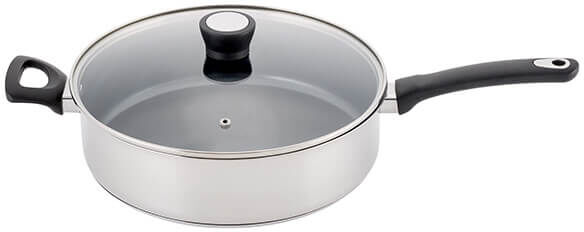
Judge Essentials 28cm Non Stick Saute PanThe Judge Essentials 28cm Non Stick Saute Pan offers versatile cooking on all hob types, including induction. Enjoy consistent results and easy maintenance with its durable stainless steel construction and non-stick coating. This saute pan features a heavy-duty base for superior heat retention, ensuring your meals are cooked evenly every time. The easy grip handles provide convenience and safety, while the vented glass lid allows you to monitor your cooking without lifting it. Crafted from stainless steel, this pan is designed for durability and lasting shine with minimal effort. It is oven safe up to 180°C and dishwasher safe, making clean-up a breeze. Dishwasher safe for easy cleaning. Supplied with a manufacturer's 10-year guarantee and a 2-year non-stick warranty.24,95 £*Shipping: 3,50 £Secure redirect to the provider
-
Inspire Daily Merch Durable Reusable Pet Hair Removal Dryer Balls Non Electric Lint Catcher For Laundry Washing Accessories Durable Reusable Pet Hair Removal Dryer Balls Non Electric Lint Catcher For Laundry Washing AccessoriesEfficient Pet Hair Removal for Laundry Say goodbye to pet hair stuck in your laundry! The 6pcs Reusable Pet Hair Removal Laundry Balls are designed to effortlessly capture and remove pet hair from your clothes during laundry cycles. Whether you're...29,97 $*Shipping: 0,00 $Secure redirect to the provider
-
Modern Harvest Tools & Trends Self Adhesive Mirror Sheets: Removable Non Glass Mirrors For Home Decor 3D Wall Stickers For Bedroom, Living Room 8PCS812pcs Self Adhesive Mirror Sheets Flexible Non Glass Mirrors Removable Mirror Wall Stickers Home Room Bedroom 3D Wall Decor 812Pcs Removable Decorative wall mirrors Self Adhesive Decal DIY Silver Wall mirror stickers for Home Living Room Bedroom...20,00 $*Shipping: 0,00 $Secure redirect to the provider



-
Are modifications homologous?
Modifications can be homologous if they are derived from a common ancestral modification and have similar functions in different species. For example, the presence of similar modifications in the wings of bats and birds, both of which enable flight, suggests homology. However, modifications can also be analogous, meaning they have similar functions but are not derived from a common ancestor. An example of analogous modifications is the wings of birds and insects, which have different evolutionary origins but serve the same function of flight. **
-
Why are bird feathers homologous?
Bird feathers are homologous because they all share a common evolutionary origin. They are derived from the same structure in the common ancestor of all birds. Despite the variations in size, shape, and color, bird feathers all serve the same fundamental purpose of providing insulation, aiding in flight, and attracting mates. This shared ancestry and function make bird feathers homologous structures. **
-
Are Maybugs analogous or homologous animals?
Maybugs, also known as cockchafers, are not analogous or homologous to any other animals. They are a unique species of beetle belonging to the family Scarabaeidae. Analogous structures are similar in function but not in structure or evolutionary origin, while homologous structures are similar in structure and evolutionary origin but not necessarily in function. Maybugs do not share these similarities with any other animals, making them a distinct and separate species. **
-
Which homologous organs exist in plants?
Homologous organs in plants are structures that have a common evolutionary origin but may have different functions. Examples of homologous organs in plants include the various types of leaves, such as simple leaves, compound leaves, and scale leaves, which all have a common origin but serve different functions in different plant species. Another example is the different types of flowers, which have a common origin but may have evolved to attract different pollinators or serve different reproductive strategies. Additionally, the various types of stems, such as rhizomes, stolons, and tubers, are also considered homologous organs in plants. **
Are bat wings homologous or analogous?
Bat wings are homologous structures, meaning they share a common evolutionary origin with the wings of other mammals, such as humans and whales. This suggests that bats, humans, and whales all inherited their limb structure from a common ancestor. In contrast, analogous structures are those that have similar functions but different evolutionary origins, such as the wings of birds and insects. **
How do you arrange a homologous series?
To arrange a homologous series, you would start by identifying a common functional group or structural feature that is repeated in each compound. Then, you would organize the compounds in the series based on increasing molecular size or increasing number of repeating units of the functional group. This could involve arranging the compounds in order of increasing carbon chain length, increasing number of double bonds, or increasing number of functional groups. By organizing the compounds in this way, you can easily compare their properties and trends across the series. **
Top-Angebote
Products related to Non-homologous:
-
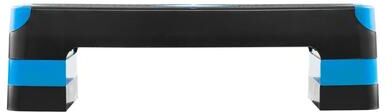
Tools, Home & Hobby Adjustable Aerobic Step Platform Workout Stepper With Non Slip Fitness Deck Adjustable Aerobic Step Platform Workout Stepper With Non Slip Fitness DeckTransform your home workouts with a versatile aerobic step platform designed to improve cardio, strength, and balance training. This durable stepper provides a stable surface for beginners, fitness enthusiasts, and athletes looking to enhance their...99,97 $*Shipping: 0,00 $Secure redirect to the provider
-
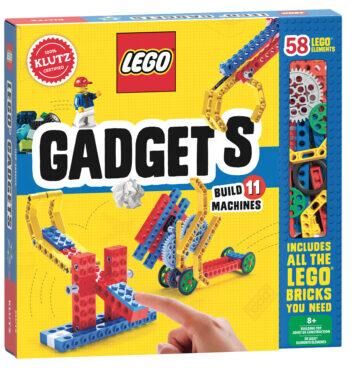
Klutz: LEGO GadgetsThis activity kit will have you building 11 machines including a gravity powered car and a wacky boxing robot. The fun doesn't stop once you've completed all of the projects in the book - open-ended prompts will inspire you to continue experimenting...24,99 $*Shipping: 0,00 $Secure redirect to the provider
-
Judge Essentials 28cm Non Stick Frying PanThe Judge Essentials 28cm Non Stick Frying Pan offers durable stainless steel construction with a non-stick coating for easy cooking and cleaning. This versatile frying pan is perfect for cooking on various hob types, including induction, and is oven safe up to 180°C, allowing you to prepare a wide range of dishes with ease. The heavy-duty base ensures superior heat retention for consistent cooking results, while the easy grip handle provides comfortable handling with low heat transmission.. Dishwasher safe for easy cleaning. Covered by a manufacturer's 10-year guarantee and a 2-year non-stick warranty.19,95 £*Shipping: 3,50 £Secure redirect to the provider
-
Judge Essentials 28cm Non Stick Saute PanThe Judge Essentials 28cm Non Stick Saute Pan offers versatile cooking on all hob types, including induction. Enjoy consistent results and easy maintenance with its durable stainless steel construction and non-stick coating. This saute pan features a heavy-duty base for superior heat retention, ensuring your meals are cooked evenly every time. The easy grip handles provide convenience and safety, while the vented glass lid allows you to monitor your cooking without lifting it. Crafted from stainless steel, this pan is designed for durability and lasting shine with minimal effort. It is oven safe up to 180°C and dishwasher safe, making clean-up a breeze. Dishwasher safe for easy cleaning. Supplied with a manufacturer's 10-year guarantee and a 2-year non-stick warranty.24,95 £*Shipping: 3,50 £Secure redirect to the provider
-
How do non-homologous recombination and homologous recombination work?
Non-homologous recombination involves the joining of two DNA molecules at non-homologous sequences, resulting in the insertion, deletion, or rearrangement of genetic material. This process is often error-prone and can lead to mutations. Homologous recombination, on the other hand, involves the exchange of genetic material between two similar DNA molecules, typically occurring during meiosis. This process is important for repairing DNA damage and ensuring genetic diversity. It involves the exchange of genetic material between homologous chromosomes, resulting in the formation of new combinations of genes. **
-
Can non-homologous chromosomes cross over?
No, non-homologous chromosomes cannot undergo crossing over during meiosis. Crossing over is a process that involves the exchange of genetic material between homologous chromosomes, which are chromosomes that are similar in size, shape, and gene content. Non-homologous chromosomes do not have the necessary similarity in order to undergo crossing over. **
-
Are modifications homologous?
Modifications can be homologous if they are derived from a common ancestral modification and have similar functions in different species. For example, the presence of similar modifications in the wings of bats and birds, both of which enable flight, suggests homology. However, modifications can also be analogous, meaning they have similar functions but are not derived from a common ancestor. An example of analogous modifications is the wings of birds and insects, which have different evolutionary origins but serve the same function of flight. **
-
Why are bird feathers homologous?
Bird feathers are homologous because they all share a common evolutionary origin. They are derived from the same structure in the common ancestor of all birds. Despite the variations in size, shape, and color, bird feathers all serve the same fundamental purpose of providing insulation, aiding in flight, and attracting mates. This shared ancestry and function make bird feathers homologous structures. **
Similar search terms for Non-homologous
-
Inspire Daily Merch Durable Reusable Pet Hair Removal Dryer Balls Non Electric Lint Catcher For Laundry Washing Accessories Durable Reusable Pet Hair Removal Dryer Balls Non Electric Lint Catcher For Laundry Washing AccessoriesEfficient Pet Hair Removal for Laundry Say goodbye to pet hair stuck in your laundry! The 6pcs Reusable Pet Hair Removal Laundry Balls are designed to effortlessly capture and remove pet hair from your clothes during laundry cycles. Whether you're...29,97 $*Shipping: 0,00 $Secure redirect to the provider
-
Modern Harvest Tools & Trends Self Adhesive Mirror Sheets: Removable Non Glass Mirrors For Home Decor 3D Wall Stickers For Bedroom, Living Room 8PCS812pcs Self Adhesive Mirror Sheets Flexible Non Glass Mirrors Removable Mirror Wall Stickers Home Room Bedroom 3D Wall Decor 812Pcs Removable Decorative wall mirrors Self Adhesive Decal DIY Silver Wall mirror stickers for Home Living Room Bedroom...20,00 $*Shipping: 0,00 $Secure redirect to the provider
-
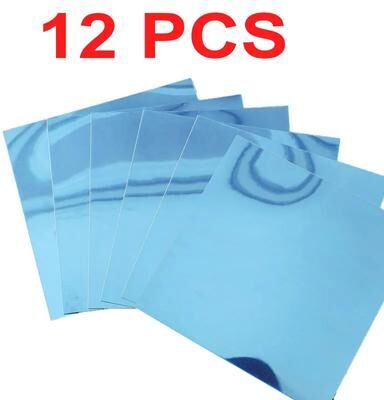
Modern Harvest Tools & Trends Self Adhesive Mirror Sheets: Removable Non Glass Mirrors For Home Decor 3D Wall Stickers For Bedroom, Living Room 12PCS812pcs Self Adhesive Mirror Sheets Flexible Non Glass Mirrors Removable Mirror Wall Stickers Home Room Bedroom 3D Wall Decor 812Pcs Removable Decorative wall mirrors Self Adhesive Decal DIY Silver Wall mirror stickers for Home Living Room Bedroom...20,00 $*Shipping: 0,00 $Secure redirect to the provider
-
Are Maybugs analogous or homologous animals?
Maybugs, also known as cockchafers, are not analogous or homologous to any other animals. They are a unique species of beetle belonging to the family Scarabaeidae. Analogous structures are similar in function but not in structure or evolutionary origin, while homologous structures are similar in structure and evolutionary origin but not necessarily in function. Maybugs do not share these similarities with any other animals, making them a distinct and separate species. **
-
Which homologous organs exist in plants?
Homologous organs in plants are structures that have a common evolutionary origin but may have different functions. Examples of homologous organs in plants include the various types of leaves, such as simple leaves, compound leaves, and scale leaves, which all have a common origin but serve different functions in different plant species. Another example is the different types of flowers, which have a common origin but may have evolved to attract different pollinators or serve different reproductive strategies. Additionally, the various types of stems, such as rhizomes, stolons, and tubers, are also considered homologous organs in plants. **
-
Are bat wings homologous or analogous?
Bat wings are homologous structures, meaning they share a common evolutionary origin with the wings of other mammals, such as humans and whales. This suggests that bats, humans, and whales all inherited their limb structure from a common ancestor. In contrast, analogous structures are those that have similar functions but different evolutionary origins, such as the wings of birds and insects. **
-
How do you arrange a homologous series?
To arrange a homologous series, you would start by identifying a common functional group or structural feature that is repeated in each compound. Then, you would organize the compounds in the series based on increasing molecular size or increasing number of repeating units of the functional group. This could involve arranging the compounds in order of increasing carbon chain length, increasing number of double bonds, or increasing number of functional groups. By organizing the compounds in this way, you can easily compare their properties and trends across the series. **
* All prices are inclusive of VAT and, if applicable, plus shipping costs. The offer information is based on the details provided by the respective shop and is updated through automated processes. Real-time updates do not occur, so deviations can occur in individual cases. ** Note: Parts of this content were created by AI.